Close sidebar
Responsive Menu
Add more content here...

Cosmetic Dentistry

Evaluation Of Effectiveness Of Free Gingival Graft

Evaluation Of Effectiveness Of Free Gingival Graft (FGG) For The Escalation Of Gingival Height By Gingival Thickness Augmentation: A Case Series Bushra K Quazi 1, M.L.Bhongade 2 A B S T R A C T INTRODUCTION: Autogenous gingival grafting is a well established pure mucogingival procedure forincreasing the width of keratinized gingiva. This procedure has proven reliable in increasing keratinized gingiva and stopping progressive gingival recession. The long term stability (upto 4 years) of these treatment outcomes has been demonstrated. METHOD AND MATERIAL: In this case series, 3 cases associated with inadequate width of kerationized gingiva in relation with multiple mandibular anterior teeth were treated by autogenous free gingival graft obtained from palatal region for increasing the width of attached gingiva. For clinical evaluation, all the cases were followed 3 months post-surgically. RESULTS: 3 months post surgical re evaluation showed an average of mm increase in width of keratinized gingiva. Healing at the donar site was uneventful in all treated cases. CONCLUSION: The results of the present case series for increasing the width of keratinized gingival and gingival thickness augmentation using free gingival autograft indicate that this procedure could be applied for increasing the width of keratinized gingiva on larger area (2-3 teeth). The free soft gingival autograft when used for increasing the amount of keratinized gingival by escalation of gingival height is a relatively simple surgical procedure. Introduction : For many years, the presence of an‘‘adequate’’ amount of gingiva was considered a keystone for the maintenance of periodontal health.1-4 In an observational study, Lang and Loe5 reported that despite the fact that the tooth surfaces were free from plaque, ‘‘all surfaces with less than 2.0 mm of keratinized gingiva exhibited clinical inflammation and varying amounts of gingival exudates.’’ However, a number of authors suggest that sufficient amount of keratinized tissue is considered essential to preserve the healthy periodontal status and to support the dentogingival unit more resistant during the masticatory function and oral hygiene procedure (Lang and Loe 1972). Therefore the presence of gingival recession associated with a minimal amount or lack of keratinized gingiva may indicate need of gingival augmentation procedure to prevent additional apical displacement of the gingival margin (Agudio 2008,Bertoldi 2007, Camargo et al 2001). In particular, Serino et al.6 showed that sites with gingival recession should be considered susceptible to additional apical displacement of the soft tissue margin. Based on existing evidence, the American Academy of Periodontology suggested several indications for gingival augmentation procedures: to prevent soft tissue damage in the presence of alveolar bone dehiscence during natural or orthodontic tooth eruption; to halt progressive marginal gingival recession; to improve plaque control and patient comfort around teeth and implants; and to increase the insufficient dimension of gingiva in conjunction withfixed or removable prosthetic dentistry.7 To achieve respectable periodontal esthetics is always an important, yet difficult,but predictable part of practice in periodontology, for which gingival biotype has been the subject of considerable interest amongst periodontists, especially in the last decade. Direct correlation has been suggested to exist between gingival biotype and the susceptibility to gingival recession following surgical and restorative procedures.8 Soft-tissue biotype (gingival thickness) is a critical factor that determines the result of dental treatment. Periodontal surgical procedures can improve soft-tissue quality resulting in a favorable treatment outcome. Numerous surgical procedures have been advocated to achieve predictable gingival augmentation. Amongst them, autogenous gingival grafting or epithelialized free gingival grafting is a well-established pure mucogingival procedure for increasing the zone of the attached gingival and stopping progressive gingival recession.9 A free gingival graft procedure is one of the most common approaches for gingival augmentation.10-14 This technique accomplishes the following objectives: enhances plaque removal around the gingival margin, reduces gingival inflammation and improves esthetics(Sangnes and gjermo 1976). Some studies reported short- or medium-term data dealing with the stability of the gingival margin after free gingival graft procedures. Very limited data on the position of the gingival margin after the use of free gingival graft over a long period of time is available. Therefore the aim of the present study was to evaluate the effectiveness of free gingival graft for the escalation of gingival height by gingival thickness augmentation. Method and materials: A total of 3 patients with age, ranging from 17 –25 years were selected randomly for examination from the outpatient Department of Periodontics, sharad Pawar dental College Sawangi(Meghe) Wardha. The patients were selected using the following criteria: Inclusion criteria: 1) Full mouth plaque and bleeding score<20% 2) Presence of atleast one site with complete absence of attached gingival associated with gingival recession and normal sulcus depth Exclusion criteria: 1) Systemically unhealthy patiens. 2) History of periodontal surgery in selected area. Prior to initiating of this study, the purpose and diagnostic procedure of this clinical trial was explained to the patients and provided verbal informed consent to participate in the study. The study protocol was first approved by the research and ethical committee of Datta Meghe Institute Of medical Sciences, Sawangi (Meghe), Wardha. Information concerning dietary status, mouth cleaning habits, systemic background, gingival and periodontal status along with other routine clinical details was recorded . Patients were examined under good illumination with the help of mouth mirror and William’s graduated periodontal probe. Patient’s oral hygiene was evaluated by using Plaque Index (Turkesy-Gilmore-Glickman Modification of Quigley-Hein, 1970) as an expression of the level of localized mouth supragingival plaque accumulation. Gingival inflammation was assessed by papillary bleeding index (Muhlemann H.R; 1977). Clinical measurements: The following measurements were recorded at baseline and 3 months after surgery. – Gingival recession depth (the distance between the gingival margin and the cemento-enamel junction at the mid-buccal point); – Width of the keratinized gingiva (the distance fromthe gingival margin to the mucogingival junction at themid-buccal point); – Probing depth at the experimental site (the distance from the gingival margin to the bottom of the gingival sulcus). Surgical procedure Preparing the recipient site: After achieving adequate local anesthesia (2% lignocaine with 1:80,000 adrenaline), the exposed root surface was planed thoroughly with a Gracey 1-2

Evaluation Of Effectiveness Of Free Gingival Graft Read More »

Surgical Lip Repositioning Procedure for the Reconstruction of Pink Esthetics in a Periodontal Way: A Case Report

Surgical Lip Repositioning Procedure for the Reconstruction of Pink Esthetics in a Periodontal Way: A Case Report   Dr. Bushra K Quazi*1, M.D.S., Dr. Manohar Laxmanrao Bhongade1, Dr. Bhumika Sehdev2 1Department of Periodontics and Implantology, Sharad Pawar Dental College, Wardha, Maharashtra 2Department of Periodontics, R R Dental College and Hospital, Umarda District, Udaipur, Rajasthan, India) Abstract: Cosmetic procedures involving reconstruction of gingivae have become an integral part of current periodontal practice. The ability to cover unsightly exposed teeth and recontour soft tissue by reducing the excessive gingival display have added an esthetic angle to the traditional concept of biological and functional periodontal health. Excessive gingival display can be managed by a variety of treatment modalities, depending on the specific diagnosis. Lip repositioning surgery is a largely unknown and underutilized treatment modality for excessive gingival display. Lip repositioning is a simple non-invasive surgical procedure to treat ‘gummy smile’. It restricts the muscle pull of the elevator lip muscles thereby reducing the gingival display while smiling. This procedure is safe and predictable with minimal risk or side effects. The aim of the present case report was to minimize excessive gingival display with a lip repositiong procedure; thereby reconstructing the pink esthetics in a periodontal way. The lip repositioning technique to decrease the amount of gingival display proved to be more conservative and provided good esthetic outcome. Excessive gingival display, gummy smile, lip repositioning. Introduction The harmony of the smile is determined not only by the shape, the position, and the colour of teeth but also by the gingival tissues. Excessive gingival display (EGD), which is commonly described as „gummy smile‟ adversely affectssmile aesthetics and therefore undesirable. It is one of the several developmental or acquired deformities and conditions that manifest in the periodontium.[1] It is an aesthetic concern that can affect a large portion of thepopulation, with a reported prevalence between 10.5% and29%.[2,3] In the recent years, EGD has received an increased emphasis in dental literature and various treatment optionsare now available for correction of gummy smile. Excessive gingival display has four possible etiologies. First, it may be a result of delayed eruption in which the gingivae fail to complete the apical migration over the maxillary teeth to a position that is 1 mm coronal to the cement-enamel junctions.[4,5] In these patients, restoring the normal dentogingival relationships can be achieved with an esthetic crown lengthening, which is a well-documented treatment modality that is highly effective in treating patients with delayed eruption.[6,7] The second possible cause is compensatory eruption of the maxillary teeth with concomitant coronal migration of the attachment apparatus, which includes the gingival margins. Orthodontic leveling of the gingival margins of the maxillary teeth may beconsidered in this situation.[8] Resective surgery is also possible but may expose the narrow root surface and necessitate a restoration. The third possibility is vertical maxillary excess in which there is an enlarged vertical dimension of the midface and incompetent lips. Treatment involves orthognathic surgery to restore normal inter- jaw relationships and to reduce the gingival display;[9] this involves hospitalization and significant side effects for patients. Finally, when the patient smiles, if the upper lip moves in an apical direction and exposes the dentition and excessive gingivae, then surgical lip repositioning may be utilized to reduce the labial retraction of the elevator smile muscle and minimize the gingival display. This procedure was first described in the plastic surgery literature in 1973[10] and was recently published in the dental literature.[11] During patient examination, it is important to establish the etiology responsible for the excessive gingival display. Corresponding Author – Dr. Bushra.K Quazi P.G. Department of Periodontics, Sharad Pawar Dental College, Sawangi (M), Wardha – 442005 Email id – bushrakq27@gmail.com International Journal of Innovative Research in Medical Science (IJIRMS) The objective of lip repositioning is to limit the retraction of elevator smile muscles. Lip repositioning results in shallow vestibule restricting the muscle pull thereby limiting thegingival display during smiling. The objectives of this article are to present a case in which the surgical techniqueof “lip repositioning” was used to reduce gingival display, to suggest the technique‟s use as an alternative treatmentmodality; thereby reconstructing the pink esthetics in aperiodontal way. weeks post operatively. Patient reported mild pain and tension while smiling during the first week after surgery. Loose sutures were removed over a period of four weeks and the remaining sutures are left to be resorbed on their own. Follow-up examinations revealed reduced gingival display. Suture line healed in the form of a scar which was covered by labial mucosa and therefore not visible on smiling. Case Report A 19‑year‑old female patient undergoing orthodontic treatment, presented with the complaint of gummy smile following retraction of maxillary anterior teeth (Figure 1) The patient‟s medical history was noncontributory with no contraindication for surgery. Clinical examination revealed moderate amount of maxillary gingival display. With full smile, patient‟s teeth were visible from maxillary right first premolar to maxillary left first premolar with 5-6 mm of gingival display. (Figure 2)Maxillary anterior teeth had normal crown height and width/length ratio. A diagnosis of moderate vertical maxillary excess was made. Orthognathic surgery as a treatment option was discussed with the patient. However, patient preferred less invasive lip repositioningprocedure over orthognathic surgery. Informed consent was obtained prior to the procedure. Surgical Procedure Adequate local anesthetic (lignocaine 2% with epinephrine 1:100,000) was administered in vestibular mucosa and lip from maxillary right first premolar to maxillary left first premolar. The surgical site was marked with an indelible pencil (Figure 3). A partial thickness flap was raised frommesial line angle of left maxillary first premolar to the mesial line angle of right maxillary first pre molar at the mucogingival junction (Figure 4). A second incision 10–12mm above the first incision was made in the labial mucosa. The two incisions were joined on either side and a strip of partial thickness flap was removed, exposing the underlyingconnective tissue (Figure 5). The two incisions were then approximated using continuous interlocking sutures (Figure7). Care was taken regarding proper alignment of the midline

Surgical Lip Repositioning Procedure for the Reconstruction of Pink Esthetics in a Periodontal Way: A Case Report Read More »

Facts & Tips: Dentures

Dentures are used to replace lost or missing teeth.  Quite often you find that people who have lost all their teeth also lose a lot of confidence on their appearance and smile, not to mention how difficult it is to process food without any teeth. Dentures can bring back a lovely smile and the confidence that comes with it.  Whether its full dentures or partial ones, they can have a really positive impact on a person’s quality of life and self-esteem. To find out a little bit more, here are the Oral Health Foundation’s top facts and tips for dentures…   Top ten facts about dentures: In a study across 19 countries researchers found that an average of 19% of the population wear some form of denture. That’s nearly one in five. There are two types of dentures: partial dentures and full dentures. A ‘partial’ denture fills in the spaces left by lost or missing teeth. It may be fastened to your natural teeth with metal clasps or ‘precision attachments’. A ‘complete’ or ‘full’ denture is one which replaces all the natural teeth in either the upper or lower jaw. A complete or full denture can give support to your cheeks and lips. Without this support, sagging facial muscles can make a person look older and they will find it harder to eat and speak properly. Dentures are ‘made to measure’ and designed to fit snuggly around the gums. Your dentist will take measurements and impressions of your mouth, then order your dentures from a dental technician. Dentures must be looked after properly. A lack of denture cleanliness can lead to poorer oral health, as well as general health problems. If dentures are not properly cleaned it can lead to ‘denture stomatitis’. This is caused by the build-up of a yeast or fungus called candida. Dentures should be cleaned daily using mechanical action i.e. brushing with a toothbrush or denture brush and an effective, non-abrasive denture cleanser. If you take care of your dentures, you should be able to use them for five-to-seven years before you need to replace them. Top five tips: Denture adhesive can be used to improve the retention of, and reduce food accumulation beneath, well-fitting complete dentures. They may also enhance patient comfort, provide peace of mind and also increase confidence and overall wellbeing. Dentures should be soaked in a denture-cleansing solution daily. This breaks down the remaining plaque and helps to disinfect the denture. Denture-cleansing solutions should only be used outside the mouth, and denture wearers should strictly follow the manufacturers’ guidelines. Dentures may break if you drop them. Always clean your dentures over a bowl of water or a folded towel in case you drop them. Denture wearers should not keep their dentures in the mouth overnight to relieve soreness and prevent infection, unless there are specific reasons for keeping them in. It’s still important that you visit the dentist regularly after getting a set of dentures. Doing so gives your dental team the opportunity to make sure that the dentures are in good shape and your mouth is still healthy. It also gives you a chance to ask them any questions you might have about your dentures. Expert comment from Dr Nigel Carter OBE, Chief Executive of the Oral Health Foundation: “By 2050, there will be two billion people aged 60 and over – more than double today’s figure. Many may have some form of denture. “Keeping dentures clean and caring for them in the right way is really important.  A lack of proper care can lead to complications such as denture stomatitis, gum disease and other conditions in the mouth. “Just like you should brush your natural teeth, use a toothbrush or a denture brush to clean your dentures daily. You must not use toothpaste though as it is too abrasive and can scratch the denture. Instead, use an effective denture cleanser, which you will be able to find in your local supermarket in the dental health section. “Whether you have your natural teeth or not, visiting a dentist is essential. This gives your dental team the opportunity to make sure that the dentures are in good shape your mouth is still healthy. It’s also your chance to voice any concerns or ask any questions you might have about your dentures.” For more information or for any questions then check out our denture information page @Celebrity Dentistry. Alternatively, you can call our Dental Helpline on +917733993396

Facts & Tips: Dentures Read More »

Facts and Tips: Dry mouth

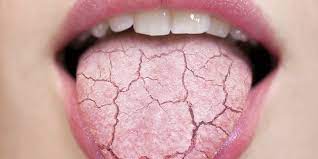
For many, dry mouth is experienced once in a blue moon.  Most likely caused by dehydration, drinking one too many beers, or by simply sleeping with an open mouth. Unfortunately, for others dry mouth is a chronic problem that can have distressing impact on day-to-day life. In addition to the physical side effects, it can also leave people feeling far less confident in social situations, to the point where eating and speaking in public becomes upsetting. Current research estimates that around one in four adults suffer from the condition and this number rises to 40% in the over-55s. This makes dry mouth one of the most common oral health problems. To help you understand more about dry mouth, here are some facts about the condition and our best advice for managing it.   Top ten facts about dry mouth: Dry mouth or ‘xerostomia’ is a condition which affects the flow of saliva, causing your mouth to feel dry. Your mouth needs saliva to be able to work properly. Saliva keeps your mouth moist, and it helps to break down your food and helps you to swallow. It also acts as a cleanser, neutralising plaque acids. It is constantly washing around your mouth and teeth, fighting tooth decay and helping to keep your teeth clean. Having less saliva can also affect the taste of food and makes it harder to eat drier foods. Sometimes it can affect your speech and it makes people more likely to have bad breath. Dry mouth is usually worse at night, when the mouth produces less saliva than in the daytime. Dry mouth can cause the mouth to become sore and there is a higher risk of tooth decay and gum disease. It can be caused as a result of old age, or, quite often it is a side effect of medication – especially heart, blood pressure and depression tablets. Your doctor, pharmacist or dental team should be able to tell you whether your medication can cause problems. In some cases, dry mouth can be a direct result of a medical condition (for example diabetes, lupus, Sjogren’s syndrome and blocked salivary glands). Women are more likely to suffer from chronic dry mouth than men (27 percent compared to 21 percent)1. Studies have shown that those that suffer from chronic dry mouth also have a higher risk of mental health illnesses and social anxiety2. Currently, there is no way of actually preventing the problem, although there are products to ease the symptoms. Top five tips: Make sure you regularly visit your dentist – You have a higher risk of tooth decay and gum disease with dry mouth, and these can get worse quicker than usual. So it is important to visit your dental team regularly. They will tell you how often you should visit. It is important to use a fluoride toothpaste containing at least 1350 to 1500ppm (parts per million) of fluoride. Be aware that some products contain Sodium Lauryl Sulphate (SLS), and some people with dry mouth find this can irritate the mouth and make the condition worse. There are a number of products designed to help your mouth stay moist and comfortable. These are usually gels or sprays. Some have extra ingredients which may help prevent tooth and gum problems. There are also special products to help with your day-to-day oral hygiene (for example toothpastes and mouth rinses). Chewing sugar-free gum can help ease dry mouth as it encourages your mouth to make saliva. Your dental team might recommend products such as rinses, gels, pastes and lozenges which you can get from the pharmacist. Some people find that sipping water, or sucking sugar-free sweets, helps in the short term. It is very important to use sugar-free products, as dry mouth can make you more likely to have tooth decay. Expert comment from Dr Nigel Carter OBE: “Dry mouth is far from just an inconvenience, it can cause real difficulty with speaking and eating and quite traumatic at times. Sufferers have explained how it has caused them to wake up the middle of night choking, gasping for breath and even fearing for their life.   “The physical symptoms associated with dry mouth make relatively simple tasks like eating or talking extremely difficult.  This can also have a negative impact on a person’s quality of life, confidence and self-esteem.   “It’s important that if you are concerned you are suffering from dry mouth that you go and visit your dentist. They are in the best position to have a thorough look in your mouth and pinpoint the cause and advise on treatment. Alternatively, you can call our Dental Helpline and speak to one of our friendly dental experts and receive impartial advice.”   For more information about dry mouth check out our information page @ Celebrity Dentistry. Alternatively, you can call our Dental Helpline on +917733993396.

Facts and Tips: Dry mouth Read More »

Keeping a healthy smile – the best gift you can give yourself

Eating and drinking plays a big role in the social calendar.  Filling food and tasty treats are the norm for many. But while it may be easy to over-indulge during this time of year, just take a moment to think about the impact this can have on our oral health. Our teeth are really suspectable to damage and wear during the holidays. This is not only down to our choice of food and drink, but how much and how often we are having it.  Our oral health also tends to slip down the priority list and might means we care for it a little less than usual. To keep our teeth fighting fit heading into the new year, we have put together five top tips for maintaining oral health during the festive period. By following these simple rules, you can keep a healthy smile, which is the best gift you can give yourself. Take snacking on sugar off the table It means our mouth is constantly exposed to acid attacks and does not have chance to recover. Eating too much sugar too often leads to tooth decay, the leading cause of tooth loss. It might even leave us with a nasty toothache. The best thing to do is keep sugar consumption to mealtimes. It means we can still enjoy our favourite treats while reducing the number of times during the day that our teeth are vulnerable to sugar. Still feeling peckish? Try sugar-free or low-in-sugar alternatives. Cheese and nuts are fantastic festive snacks that won’t torment our teeth. Maintain a normal oral health routine We all have jam-packed diaries in the build-up to the big day. Eid is the time for socialising with family and friends, but even so, this isn’t an excuse for us to slack-off when it comes to our daily routine. We can keep a healthy smile by brushing twice a day for two minutes with a fluoride toothpaste.  The best time to do this is last thing at night and at any other time during the day. Cleaning in between our teeth daily using interdental brushes is also really important, as it removes the plaque a toothbrush can’t reach.  A dental check-up either before the holidays, or afterwards in the new year can also be a really good idea to catch any problems and make sure they don’t go unnoticed.   Stay hydrated by drinking lots of water Keeping fully hydrated  is important for the health of our mouth and our general health too.  Be sure to make the right choices when choosing tooth-smart beverages. Water is the best option for our oral health. Drinking water directly after eating has been shown to help remove acids from the mouth, reducing the effects on dental decay and erosion. Fluoride is a naturally occurring mineral found in water (bottled and tap) that can help to reduce the risk of tooth decay by making tooth enamel more resistant to acid attack.    

Keeping a healthy smile – the best gift you can give yourself Read More »

How eating disorders can affect your mouth?

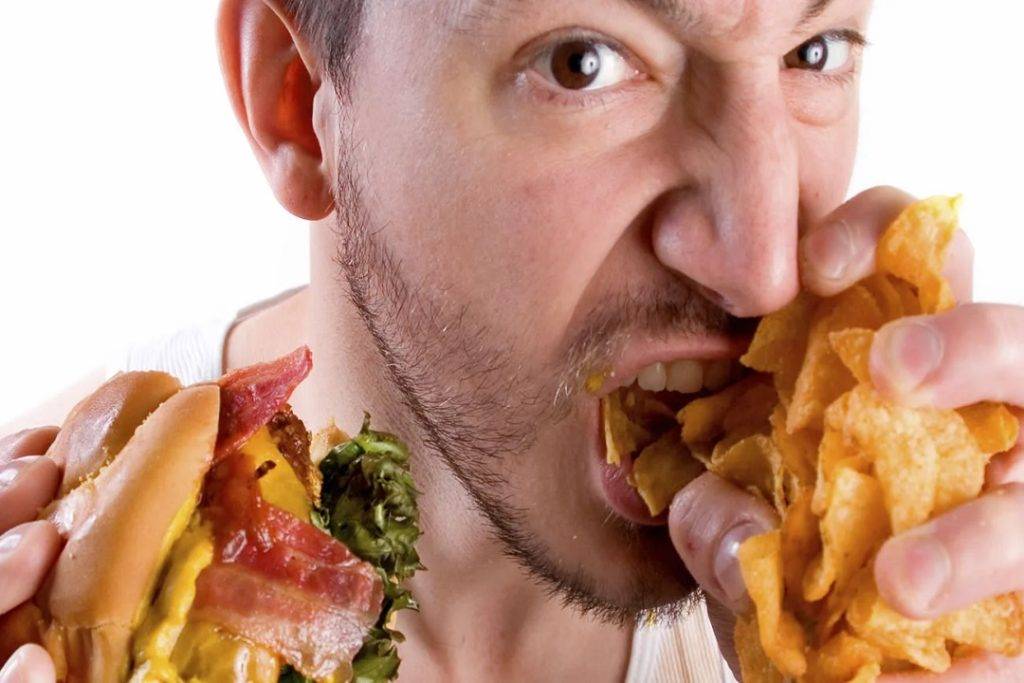
How eating disorders can affect your mouth: and how your dental team can help spot early signs Eating disorders such as anorexia, bulimia and binge eating disorder all have negative effects on the mouth, their symptoms can range from slight to severe and dental professionals are often the among the first to identify possible red flags. Multiple studies have shown eating disorders can have an effect on oral health. That’s why the Oral Health Foundation is supporting Eating Disorders Awareness Week. In this blog post we will look at what the main symptoms of each condition are, how they can affect the health of your mouth and how your dental team can help you. What is anorexia? People with anorexia nervosa limit their intake of food and drink and have a fear of gaining weight. Many people with anorexia attribute their self worth to their caloric intake and punish themselves for eating too much or eating the “wrong types” of foods. As well as restricting calorie intake some people with anorexia will try to get rid of excess calories and weight through exercise, vomiting, taking laxatives or using enemas. “I thought about food and calories all the time. I tried to avoid foods containing lots of fat or carbohydrates and only had ‘safe’ foods which I felt were okay to eat.” -Anonymous   What is bulimia? Bulimia nervosa is a binge eating disorder and is diagnosed based on binge-purge patterns of suffers. To meet the criteria for a diagnosis of bulimia you must be binging (taking in an excessive amount of calories in one sitting) and purging (expelling food/calories through excessive exercise, taking laxatives or forcing yourself to vomit) for a prolonged period of time on a regular basis. Specific binge-purge patterns vary between sufferers, but as many people with bulimia are considered to be a healthy weight signs can often go unnoticed. People with bulimia may also experience symptoms such as tiredness, bloating and/or constipation, abdominal pain and irregular menstrual cycles.   “I used to go to the food cupboard, fridge or freezer and eat as much as I could, as quickly as possible, to try to make myself feel happier and fill the hole I felt inside. Afterwards I felt physically and emotionally upset and guilty about all the food I had eaten, so I would make myself sick.” -Anonymous What is binge eating disorder? Binge eaters have previously been classified as food addicts although we now have a greater understanding of the condition. Binge eaters will often take in large quantities of food and/or drink without feeling like they are in control of what they are doing, these binges can be planned ahead of time with the sufferer buying “special” foods to binge on, or they could be spontaneous. Binge eaters are not “overindulging” on foods or simply just having large portions, these are not enjoyable experiences and often cause a lot of distress and embarrassment for sufferers. Characteristics of a binge eating episode include eating faster than normal, eating until feeling uncomfortably full, eating large amounts of food when you don’t feel hungry, eating alone through embarrassment at the amount being eaten, and feelings of disgust, shame or guilt during/after the binge. Unlike bulimia sufferers, those with binge eating disorder will not purge after a binge. “It’s like a switch is turned on in your mind and the only thing you can do is eat until you physically cannot anymore. It’s terrifying because it’s like the real you is still in your head but has no power over what you are doing and you’ve suddenly become something else.” -Anonymous;   How can eating disorders affect the health of your mouth? All of these eating disorders affect your health, have negative effects on sufferers’ bodies and should be treated as serious health conditions. Potential negative effects of vitamin and nutrient deficiencies can cause the body to shut down and not function properly and that will also be reflected in the mouth. Revealing oral signs of eating disorders include: Enamel erosion Dry mouth Enlarged salivary glands Cracked/dry lips Mouth sores Tooth decay Sensitive teeth Bruising and/or injury to the mouth Those who purge through vomiting can also erode tooth enamel through excessive contact with stomach acid.   How can the dental team help detect eating disorders? Dentists, dental hygienists, therapists and dental nurses are in a good position to recognise the early warning signs of eating disorders. During your dental check-up they carry out checks on the hard and soft tissues of the mouth and look for signs of tooth erosion and possible injuries to the mouth which could have been induced by forcing objects into the mouth to make yourself vomit. As well as erosion through stomach acid they will also be able to detect things such as tooth decay from excessive sugar consumption and signs of nutrient deficiencies. If they suspect that you might be suffering from an eating disorder they will talk you calmly through the clinical signs they are seeing in your mouth and if needed talk to you about prescribing a high fluoride toothpaste or varnish to protect your teeth from decay. The more open and honest you can be with your dental team, the better they will be able to help you.  Your dental team can be trusted to help you and will not judge you over any symptoms you are having. Have you suffered from an eating disorder which has led to oral health complications? If so we’d like to hear from you. Please contact us @Celebrity Dentistry. for more information and help us provide better oral healthcare to all.

How eating disorders can affect your mouth? Read More »

Top tips to keep your teeth in tip-top shape throughout the summer?

The summer months are truly upon us.  For many, this might mean barbecues, festivals, holidays and trips out with friends and family. While the sun brings out a more active lifestyle, it doesn’t come without its pitfalls. Especially when it comes to the health of your mouth. It’s important during this time to know how to look after your mouth, teeth and gums, with all three potentially at greater risk. The Oral Health Foundation have put together five top tips that will help you look after your oral health this summer in the best way possible:   1) Stick to your routine It doesn’t matter whether you are out socialising with friends or are up late watching Love Island, it is important to stick to your dental routine.  Looking after the health of your mouth should always remain a priority.  Resist the temptation to skip brushing because you’re preoccupied with something else. No matter how eventful your summer may be, make sure you brush twice a day for two minutes with a fluoride toothpaste, alongside daily interdental cleaning.   2) Plan ahead This time of year can be extremely hectic. That’s why it’s important to be prepared and give your oral health the attention it deserves before something goes wrong. With holidays and trips away booked, it is a good idea to book an appointment at the dentist before you set sail.  This means that any small problems can be treated early and don’t leave you needing emergency treatment abroad.  It is also a good idea to stock up on manual toothbrushes or extra brush heads as well as travel-sized toothpaste and floss.   3) Stay hydrated, the correct way Keeping hydrated, especially in warmer weather is important for the health of your mouth and your general health too.  Be sure to make the right choices when choosing tooth-smart beverages. Water and milk are the best options for our oral health. They will help keep you both hydrated and refreshed. Try to avoid those drinks high in sugar and acid.  Fizzy drinks, fruit juices and energy drinks can be harmful for your oral health. If sipped throughout the day, they can lead to tooth decay and dental erosion.   4) Keep your teeth out of harm’s way According to our latest research, nearly two-in-three Brits (65%) are regularly putting their oral health at risk by using their teeth as tools for jobs they weren’t intended for. Summer provides plenty of opportunity for food and drink on-the-go and outside of the home.  Please avoid using your precious teeth to crack open bottles and packets.  Or use them to hold or carry things when your hands are full.  Thousands of unnecessary accidents happen every year when teeth are used inappropriately. Stick to using your teeth for what they were designed to do – chewing food to make it digestible. We could all do without shifting, broken or cracked teeth.   5) The right amount of sun for healthier gums Sunlight is a great source of vitamin D which plays a key role in a healthier immune system.  Research also shows that it can give your oral health a boost by helping to prevent gum disease. Having healthy gums means you can keep your teeth for longer. Gum disease is also linked to heart health, mental health and diabetes so getting out in the sun could be a great choice for a healthy mouth. Be sure not to stay out in the sun for too long – the dangers are well documented.  To stay safe, you should always use the appropriate factor sunscreen and don’t forget to protect your lips too as this is an area many people forget. Remember, the longer you stay out in the sun unprotected, the more susceptible you leave yourself to serious health problems. For more information or for any questions then check out our denture information page @Celebrity Dentistry. Alternatively, you can call our Dental Helpline on +917733993396

Top tips to keep your teeth in tip-top shape throughout the summer? Read More »

What foods and drinks contain acid and why it spells trouble for our oral health?

What foods and drinks contain acid and why it spells trouble for our oral health When hearing the word ‘acid’ we might be likely to recall the various chemicals we saw in glass bottles in science class at school. Or maybe we think of it as the thing that can cause heartburn and indigestion.  However, acids also play an important role in our oral health. While most of our diet is made up of things with generally low acidity, there are several foods and drinks that are high enough in acid to cause a problem.  High acidity foods and drinks can have serious consequences for our enamel and are the cause of dental erosion.   How acid affects our mouth Acid is a problem for our teeth as it weakens the enamel of our teeth, leaving them vulnerable to damage. Every time we eat or drink anything acidic, the enamel on our teeth becomes softer for a short while and it loses some of its mineral content. Our saliva will slowly cancel out this acidity and get our mouth back to its natural balance. However, if this acid attack happens too often, our mouth does not get the chance to recover.  This could result in slowly losing our enamel. Enamel is the hard, protective coating of our tooth, which protects the sensitive dentine underneath. When the enamel is worn away, the dentine underneath is exposed, which may lead to pain and sensitivity. The most common types of acid in our food and drink are carbonic acids, citric acids and phosphoric acids. These are the acids that weaken our enamel, leading to dental erosion. The main culprits when it comes to acidic foods and drinks are the two Fs: Fizz and Fruit.   Fizz ‘Fizziness’ is often a tell-tale sign of an acidic drink.  The most common of these are fizzy drinks, sodas, pops and carbonated drinks. It is important to remember that even the ‘diet’ brands are still harmful. Even flavoured fizzy waters can have an effect if drunk in large amounts, as they contain weak acids which can harm our teeth. Some alcohol is also acidic. Beer, cider, prosecco, white wine and alcopops are all example of alcoholic drinks that are highly erosive for our teeth. Dr Nigel Carter OBE, Chief Executive of the Oral Health Foundation says: “The best way for us to avoid the damage caused by fizzy drinks is to simply limit our exposure to them.  Only having acidic drinks at mealtimes is a great way to reduce the amount to which our mouth is under an acid attack. “Another tip is to swallow our drink quickly, without holding it in our mouth or ‘swishing’ it around.  Again, it’s all about reducing the amount of time our teeth are being exposed to acid.  An alternative is to use a straw.  This helps drinks go to the back of our mouth and avoids long contact with our teeth.” Dr Soha Dattani, Director Scientific & Professional Affairs at GSK Consumer Healthcare says: “The drinks market is full of products which are high in acidity and that can play havoc on the enamel of our teeth. As consumers, this often makes it difficult for us to make healthy choices when choosing our drinks. This is true whether we’re in a supermarket, a restaurant, attending events or socialising. “Plain, still water is the best drink for our teeth.  Milk is also good because it helps to neutralise acids in our mouth.”   Fruit Fruit forms an integral part of a healthy balanced diet.  However, many fruits contain citric acid which can encourage dental erosion. The worst offenders are citrus fruits. These have low pH levels, which means they are acidic.  The most acidic fruits are lemons, limes, plums, grapes, grapefruits and blueberries. Pineapples, oranges, peaches and tomatoes are also high in acid. It would be a mistake to remove these from our diet – after all, they are really nutritious and our body needs them.  For our teeth, there are a few things we can do to limit the harm caused by fruits. Dr Nigel Carter adds: “The first thing we can do, much as with fizzy drinks, is to keep them to mealtimes. Consuming fruit at breakfast, lunch and dinner should give our body the amount of daily portions it needs while not putting our teeth under unnecessary strain. “Secondly, always try to consume fruit in its whole format and not as fruit juice.  While most fruit contains natural sugar, many fruit juices also have added sugar. This is not good for our teeth.  Whole fruit is also packed full of vitamins, minerals and fibre.  This is often lost or found in less concentrated forms when producing a fruit juice.”   More tips and advice The first sign of dental erosion is often having sensitive teeth.  If this happens, we should go and see our dentist.  During an examination the dental team look at what is causing the sensitivity.  They will treat the affected teeth with special ‘de-sensitising’ products to help relieve the symptoms.  This may include fluoride gels, rinses or varnishes. While waiting for a dental appointment, the symptoms of dental erosion can also be managed at home. “There are many brands of toothpaste on the market made to help remineralise softened enamel after an acid attack,” adds Dr Dattani. “Some toothpastes, like Sensodyne Pronamel are specially designed to help re-harden and protect our tooth enamel while we brush our teeth.  This toothpaste also contains fluoride, which is really important for protecting our teeth against tooth decay.  Brushing should be done for two minutes, twice a day. “When we then see our dentist, they’ll be able to advise which type of toothpaste is best for our needs.” For more information or for any questions then check out our denture information page @Celebrity Dentistry. Alternatively, you can call our Dental Helpline on +917733993396  

What foods and drinks contain acid and why it spells trouble for our oral health? Read More »

The smile diet: How changing what we eat and drink can give us a healthier smile

Have you ever heard of the smile diet?  It’s the concept that by making simple changes to what we eat and drink, we can significantly improve the health of our mouth. Most of us already know that too much sugar causes dental decay and acidity results in loss of tooth enamel.  The latest piece of research by the Oral Health Foundation and GSK supports this.  Findings show that almost nine in ten (88%) of us believe that healthy eating is important for maintaining good oral health. This is terrific news.  It shows that our knowledge about nutrition and its relationship with oral health is improving.  The difficulties for many of us now are around the practicalities of changing what we eat and drink to match those behaviours that we know are right. We are still a nation of grazers and snackers, continuing to consume sugar and other unhealthy food types, in vast quantities.  This is having a negative impact on our oral health as a population.  Rotten teeth are being routinely removed across all ages.  The challenges are there for us all to see.  These foods and drinks are all convenient, readily-available, cheap, easy and quick to consume.  They are also decisions made as a result of habit and emotion. It all means that if we want to improve the health of our mouth and truly adopt the smile diet, we are going to have to tackle the above barriers head on. Say no to unhealthy snacking, sugar and sweets Seven in ten (70%) of us believe that snacking has an impact on our oral health. And we are absolutely right.  Sadly, there is enough evidence to believe that our snacking habits are harmful to our oral health.  Sugary snacks and confectionary still manage to attract us.  It appears our sweet-tooth is hard to ignore. Dr Nigel Carter OBE, Chief Executive of the Oral Health Foundation says: “While chocolate, sweets, fruit juices and artificial milkshakes give us a short burst of energy and satisfy our taste-buds, they are packed with unhealthy ingredients that spell bad news for our mouth.  Consuming too much sugar too often can lead to long-term problems like gum disease, tooth loss and tooth decay, as well as wider health problems such as diabetes and obesity. “The good news is that snacking doesn’t have to be a bad thing – it all depends on the choices we make.” Further findings from the nationwide study shows that most of us (87%) know that choosing lower sugar snacks is better for the health of our mouth. “While snacking on the wrong things can be damaging to our health, the opposite can be said of healthier snacks,” adds Dr Carter.  “Raw nuts, vegetables, cheese and even breadsticks are tooth-friendly choices that can do wonders, not only for our mouth, but our body too.” Water and milk are best for oral health While sugar is the cause of tooth decay, there is another diet nasty that is playing havoc with our smile. Acids are commonly found across many widely-consumed drinks, including fruit juices, fizzy pops and alcohol.  Acidic drinks can soften the enamel surrounding our teeth, leaving them vulnerable to wear, which can expose the sensitive dentine underneath.  This is called dental erosion.  Without our enamel, our teeth become more sensitive and can lead to pain and discomfort. Dr Soha Dattani, Director Scientific & Professional Affairs at GSK Consumer Healthcare says: “Acidic foods and drinks can be very common.  As consumers, this makes it incredibly difficult for us to avoid them.  Even ‘diet’ and ‘sugar free’ drinks, that are being sold as healthier alternatives have remarkably low pH levels – making them especially acidic.  “For our oral health, even these are a no-go. “While special toothpastes like Sensodyne Pronamel can help strengthen our enamel and make our teeth less sensitive, the best scenario is to avoid these drinks altogether. Milk and still water remain the best choices for healthy teeth.” The smile diet A healthy diet has an extremely positive impact on our mouth and teeth. Although sugary and acidic may appear affordable and appealing, the consequences to our health may be both costly and unpleasant in the long run.  This year’s National Smile Month is the perfect opportunity to focus on achieving our perfect smile.  By removing unhealthier options and replacing them with deliciously nutritious alternatives, our physical health, mental wellbeing and our smile, will all feel the benefits. Say no more to the potential damage caused by sugar and acid and give our mouth, teeth and gums the best chance to flourish.  For National Smile Month, it’s time for all of us to truly embrace the smile diet. For more information or for any questions then check out our denture information page @Celebrity Dentistry. Alternatively, you can call our Dental Helpline on +917733993396

The smile diet: How changing what we eat and drink can give us a healthier smile Read More »

Why a white smile should be a healthy smile?

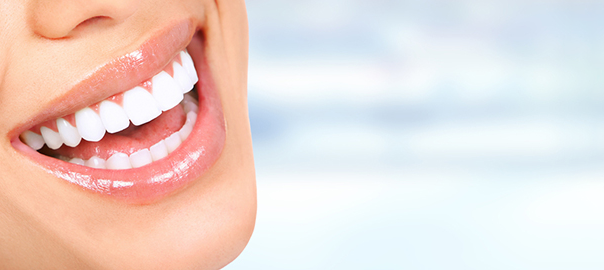
A straight and white smile is becoming more sought after then ever before.  This mindset began with the ‘Hollywood smile’, when we first started to develop an interest in mimicking the results of celebrity cosmetics.  For many at the time, the riches of these stars along with the price of cosmetic dentistry, put such procedures out of reach.  But much has changed. Today, the price of cosmetic dentistry, like tooth whitening and adult orthodontics have become far more affordable and accessible.  It means today’s Hollywood smile is now the ‘Love Island smile’.  As a reality show, this creates an image that cosmetic dentistry is obtainable and as ‘normal’ as visiting the hairdresser or barber. More of us are taking an interest in our own smile and searching for ways to improve it.  This is an extremely positive attitude.  However, while changing the appearance of our teeth sits high on many people’s wish list, it is important to remember the most important thing – the health of our smile.   New research To get a better understanding of how we view our smiles, we teamed up with Philips Sonicare to commission a brand new piece of research.  And the results of the investigation are eye-opening. One-in-five (20%) British adults have had cosmetic dentistry – and nearly one-in-ten (9%) have had it in the last year alone.  What’s more, another 19% of the population say they are looking into cosmetic dental work with the intention of having it one day soon. Unsurprisingly, tooth whitening came top of the dental makeover shopping list.  Nearly one-in-three (32%) Brits want whiter teeth while two-in-three (66%) have actively considered it. One of the main concerns from our investigation is that whiter teeth is considered more than twice as desirable as having healthy gums.  This is a problem.   A white smile can also be a healthy one There is a need for us to readdress our perceptions of what a healthy smile.  It’s important to remember that with the introduction of cosmetic dentistry, all may not be what it seems, and a white smile is not necessarily a healthy one. White teeth as a result of tooth whitening are still susceptible to tooth decay, and the gums are still prone to disease. Just as white teeth can improve our self-esteem, suffering from tooth loss can have the opposite effect.  Strong evidence is also pointing to gum disease linking to wider conditions such as heart disease,strokes, diabetes and dementia.  The health of our mouth isn’t only important for the state of our smile, it is also incredible influential for our quality of life. It all means we need to strike a better balance.  Of course, we can still have our teeth whitened, but we need to realise that the health of our teeth is far more important than the colour.   How to keep a healthy mouth So how do we achieve a healthy smile?  The good news is that the answer is pretty simple. Healthy teeth and gums can be achieved by a good oral health routine at home and regularly visiting our dentist. A good oral health routine only involves a few easy steps: Brushing our teeth twice a day with a fluoride toothpaste for two minutes. This is best done last thing at night and one other time during the day. Cleaning in between our teeth daily with interdental brushes or floss. Using mouthwash daily. Chewing sugar free gum in between meals. Cutting down how much sugar we have, and how often we have it – and keeping sugar consumption to mealtimes. Visiting our dentist as often as they recommend. So there we have it. By sticking to this basic routine, we can achieve that healthy mouth.  The next time we show off the results of our latest tooth whitening treatment, we can also be confident that our teeth and gums are in tip-top condition too. For more information on how to maintain good oral health check out our instagram  @Celebrity Dentistry  of oral health information.

Why a white smile should be a healthy smile? Read More »